
Table of Contents
- Does Gold Plated Jewelry Actually Tarnish?
- Why Does Gold Plating Wear Off and Tarnish
- How Long Does Gold Plating Last
- Gold Plated vs Gold Filled Durability
- How to Clean Gold Plated Jewelry
- How to Prevent Gold Plated Jewelry from Tarnishing
- Can Gold Plated Jewelry Be Re-Plated?
- Frequently Asked Questions
Last Updated: September 30, 2026
Does Gold Plated Jewelry Actually Tarnish?
Yes, gold plated jewelry will tarnish quickly compared to solid gold or gold filled pieces. This is one of the most common misconceptions about gold plating, and understanding why it happens is essential before you invest in any piece.
Gold plating is a thin layer of gold applied over a base metal through electroplating. That base metal underneath, whether it's sterling silver, brass, or copper, is what actually tarnishes. When the protective gold layer wears away through daily wear, moisture, and exposure, the base metal oxidizes and discolors. The result looks like tarnishing on the gold itself, but the issue originates below the surface.
A piece from our collection featuring gold plating will maintain its luster longest when you understand what's happening chemically and take preventative steps accordingly.

The timeline for tarnishing varies dramatically based on how you wear and store your jewelry, the thickness of the plating, and the specific base metal underneath. Some pieces show visible wear within months. Others last years. The difference comes down to factors you can actually control.
Why Does Gold Plating Wear Off and Tarnish
Gold plating deteriorates through a combination of mechanical wear and chemical reactions. Every time you wear your jewelry, the gold layer experiences friction against your skin, clothing, and other surfaces. This abrasion gradually thins the plating. Simultaneously, your skin's natural acidity, moisture from sweat and humidity, and exposure to lotions, perfumes, and cleaning products accelerate the breakdown of both the gold layer and the base metal underneath.
The electroplating process creates a bond between the gold and base metal, but it's not permanent. Microscopic gaps and imperfections in the plating layer allow moisture and air to seep through, triggering oxidation in the base metal. Once this process begins, it accelerates. The exposed base metal corrodes faster, and the surrounding gold layer can flake away in response to the chemical changes happening beneath it.
The Role of Base Metals in Tarnishing
The base metal matters enormously. Sterling silver tarnishes differently than brass or copper, and each responds to environmental exposure in distinct ways. Sterling silver oxidizes to create a dark, gray-black patina. Brass develops a dull, greenish tint. Copper turns green or black depending on humidity and air exposure. When gold plating wears away from any of these base metals, the tarnishing becomes immediately visible.
Many people assume all gold plated jewelry is the same, but the base metal choice determines both how quickly tarnishing appears and how it looks. A piece with a sterling silver base will show tarnishing differently than one with a brass base, even if both have identical gold plating thickness. This is why understanding your jewelry's construction matters, it tells you what to expect and how to prevent it.
How Skin Acidity and Moisture Accelerate Tarnishing
Your skin's pH level directly influences how quickly gold plating wears away. Human skin is naturally acidic, with a pH around 4.5 to 5.5. This acidic environment reacts with the base metals beneath gold plating, accelerating oxidation and corrosion. People with more acidic skin chemistry will notice tarnishing and discoloration faster than those with more neutral pH levels.
Moisture compounds the problem. Sweat, humidity, and water exposure create an electrolytic environment where chemical reactions happen faster. When you wear gold plated jewelry while exercising, showering, or swimming, you're exposing the piece to moisture that penetrates microscopic gaps in the plating and initiates corrosion in the base metal. This is why pieces worn during high-moisture activities deteriorate noticeably faster.

How Long Does Gold Plating Last
The lifespan of gold plated jewelry typically ranges from several months to a few years with regular wear, depending on plating thickness, base metal quality, and care practices. Some pieces maintain their appearance for years. Others show visible wear within six months. This variability frustrates many buyers, but it's predictable once you understand the factors at play.
Micron Thickness and Durability
Plating thickness, measured in microns, is the primary determinant of longevity. A micron is one millionth of a meter, an incredibly thin measurement. Most consumer gold plated jewelry uses plating between 0.5 and 2.5 microns thick. The difference between these extremes is dramatic for durability.
Jewelry plated at 0.5 microns will show wear quickly, often within weeks of regular wear. At 1 micron, you might expect several months before significant tarnishing appears. At 2.5 microns or thicker, gold plated pieces can last 2-3 years or longer with proper care. The thicker the plating, the longer it takes for the base metal to become exposed and begin oxidizing.
This is why asking about plating thickness matters when you're shopping. A vendor who won't specify the micron thickness is often selling pieces on the thinner end of the spectrum. Premium pieces disclose this information because it demonstrates quality and durability.
Alluring Beauty Necklace For Wife →
Gold Plated vs Gold Filled Durability
Gold filled jewelry offers significantly better durability than gold plated pieces. In gold filled jewelry, a layer of solid gold is mechanically bonded to a base metal using heat and pressure, creating a much thicker gold layer than electroplating produces. Gold filled pieces typically contain 100-200 times more gold than gold plated equivalents, and the gold is bonded so firmly that it won't flake or peel away.
Gold filled jewelry can last 10-30 years or longer with normal wear. It will eventually show wear, but the process is gradual and the piece maintains its appearance far longer than gold plated alternatives. The trade-off is cost, gold filled pieces are substantially more expensive than gold plated jewelry.
Solid gold jewelry, by contrast, doesn't tarnish at all under normal circumstances. Pure gold doesn't oxidize. However, solid gold is expensive and typically reserved for heirloom pieces or significant investments.
For budget-conscious gift-givers seeking durability, gold filled represents the middle ground. For those prioritizing affordability and willing to accept shorter lifespan, gold plated jewelry from reputable makers, with thicker plating and quality base metals, remains a viable choice when cared for properly.
How to Clean Gold Plated Jewelry
Cleaning gold plated jewelry requires gentleness to avoid accelerating wear on the plating. Harsh chemicals, abrasive scrubbing, and ultrasonic cleaners can damage the gold layer and expose the base metal beneath.
The safest cleaning method uses warm water, mild dish soap, and a soft cloth.
How to Prevent Gold Plated Jewelry from Tarnishing
Prevention is far more effective than restoration when it comes to gold plated jewelry. Most tarnishing happens because pieces are stored improperly or worn during activities that expose them to moisture and chemicals.
Storage and Environmental Protection
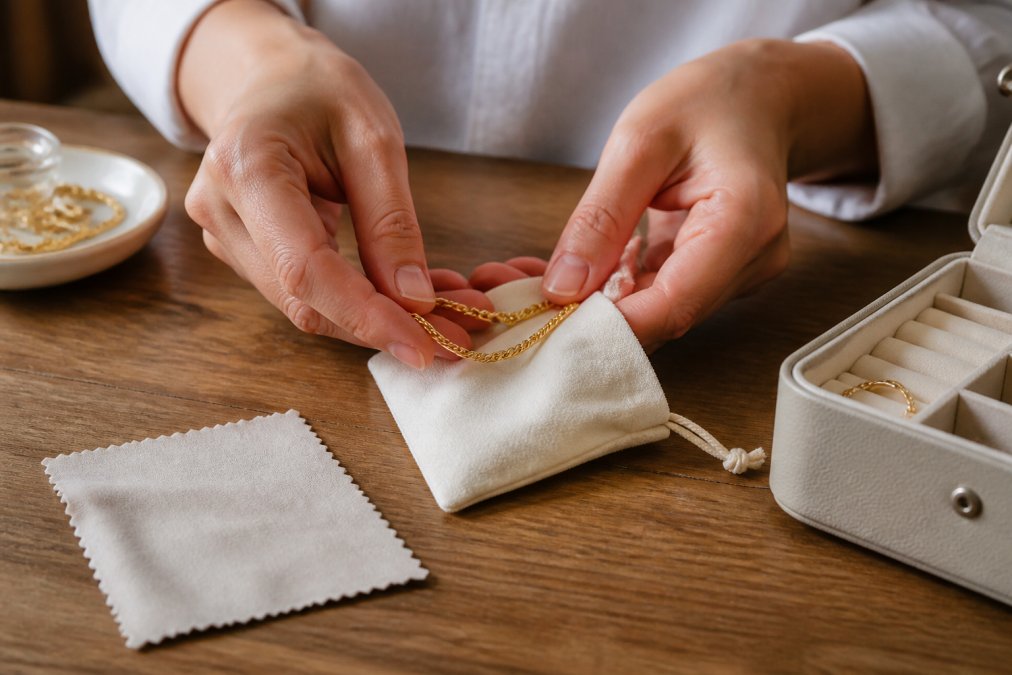
Store gold plated jewelry in a cool, dry place away from direct sunlight and humidity. A jewelry box with a soft interior lining is ideal. Alternatively, individual soft cloth pouches work well for pieces you wear frequently. The goal is to minimize exposure to air and moisture when the jewelry isn't being worn.
Daily Wear Habits That Protect Your Pieces
Remove gold plated jewelry before showering, swimming, or exercising. Water exposure, especially combined with sweat and chlorine or salt water, accelerates tarnishing dramatically. Removing your jewelry during these activities adds years to its lifespan.
Can Gold Plated Jewelry Be Re-Plated?
Yes, gold plated jewelry can be re-plated, though the process isn't always practical for lower-value pieces. Re-plating involves stripping away the old plating and applying a fresh gold layer through electroplating. Professional jewelers offer this service, though costs vary based on the piece's size and complexity.
| Care Method | Frequency | Duration | Best For |
|---|---|---|---|
| Gentle soap and water cleaning | Monthly or as needed | 5-10 minutes | Regular maintenance |
| Soft cloth polishing | Weekly with a microfiber cloth | 2-3 minutes | Light dust removal |
| Silica gel storage | Replace every 3-6 months | Ongoing | Humidity control |
| Professional re-plating | Every 2-5 years if needed | 1-2 weeks turnaround | Restoration of worn pieces |
Frequently Asked Questions
How long does gold plated jewelry typically last?
Gold plated jewelry typically lasts between 6 months to 3 years with regular wear, depending on plating thickness, base metal quality, and how well you care for it. Pieces with thicker plating (2-3 microns or more) last longer than thin plating (less than 1 micron). Proper storage and regular cleaning extend the lifespan significantly, while constant exposure to moisture, lotions, and perfumes accelerates tarnishing and wear.
Can I take a shower with gold plated jewelry?
It's best to remove gold plated jewelry before showering. Hot water, soap, and steam can accelerate the breakdown of the protective coating and increase oxidation of the base metal underneath. Chlorine in pools and salt water are especially damaging. If you accidentally shower with your piece, dry it thoroughly with a soft cloth immediately afterward to minimize moisture exposure and chemical reaction risk.
What is the difference between gold plated and gold filled jewelry in terms of durability?
Gold filled jewelry has a much thicker gold layer bonded to the base metal through heat and pressure, typically lasting 10-30 years with normal wear. Gold plated jewelry has a thin electroplated layer that wears away faster, usually lasting 6 months to 3 years. Gold filled is hypoallergenic and more durable, while gold plated is more affordable but requires careful maintenance to prevent tarnishing and discoloration.
How do I clean gold plated jewelry without damaging it?
Use a soft, lint-free polishing cloth to gently wipe your gold plated jewelry regularly. For deeper cleaning, mix warm water with a drop of mild dish soap, soak the piece for 5 minutes, then gently brush with a soft-bristled toothbrush. Rinse thoroughly with clean water and dry immediately with a soft cloth. Avoid harsh chemicals, abrasive scrubbing, and ultrasonic cleaners, which can strip the protective coating and damage the underlying base metal.